G-06 Auckland location guide · review pending
Can I build a granny flat in Titirangi?
Check Titirangi heritage-area context, vegetation, hazards and servicing for the actual property before settling on a granny-flat approach.
Possibly—but the locality alone cannot determine eligibility. The proposed building and the actual address must pass separate building and planning checks.
Indicative locality result
Gate 1
Building Act
Design check requiredThe Building Act exemption depends on the proposed building and the people responsible for the work.
Gate 2
Planning rules
Address check requiredThe NES-DMRU pathway, zone, overlays, precincts and other rules must be checked for the legal site.
Passing one gateway does not prove the other. This locality guide is information, not council approval.
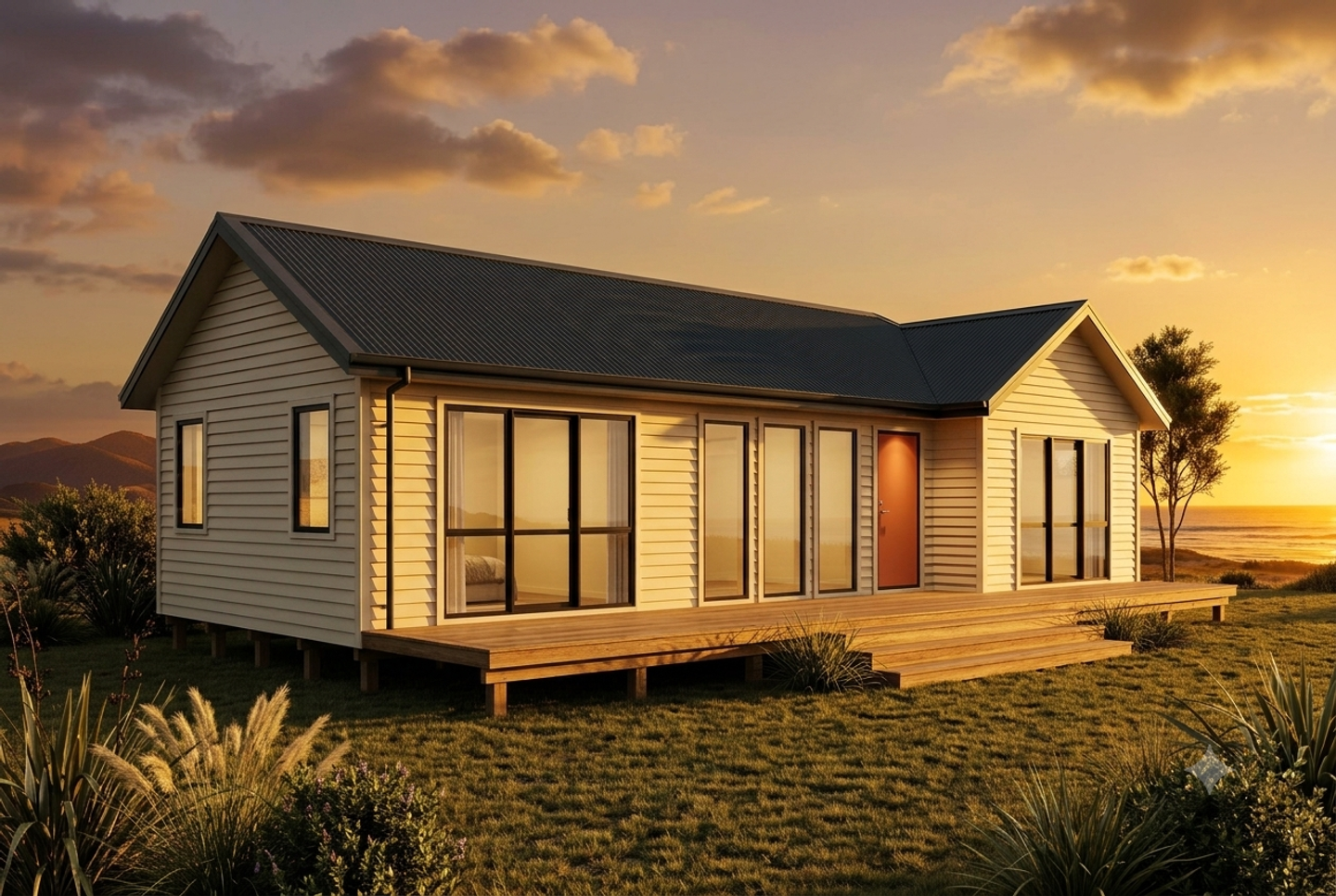
Representative granny-flat design
Representative design only. Locality and address-level constraints determine whether and where a project may work.
Source: Ready to Build review image
What Titirangi can—and cannot—tell you
Some Titirangi addresses may fall within or be affected by the Waitākere Ranges Heritage Area and its planning context. The legislation identifies heritage features and objectives, but the statutory boundary and current mapped controls must be checked for the legal site.
Sites can differ in zone, vegetation, slope, hazards, wastewater arrangements, access and existing development. Each of those needs current evidence before design assumptions harden.
Local checks to make
Start with these Titirangi checks
- 01/
Heritage-area context
Read the statutory heritage-area objectives alongside the current zone and mapped overlays for the legal site.
- 02/
Vegetation and landform
Check current vegetation, ecological, slope and hazard information without assuming every Titirangi site is bush-covered or unstable.
- 03/
Wastewater and access
Confirm actual network or on-site servicing and practical access; the suburb name cannot establish either.
Why the address changes the answer
A serviced site near a town centre can present a different design and approval problem from an unserviced sloping site elsewhere in Titirangi. Both still need the same two legal gateways checked independently.